

The Beauty of Rarity: What Makes a Colored Diamond Valuable?
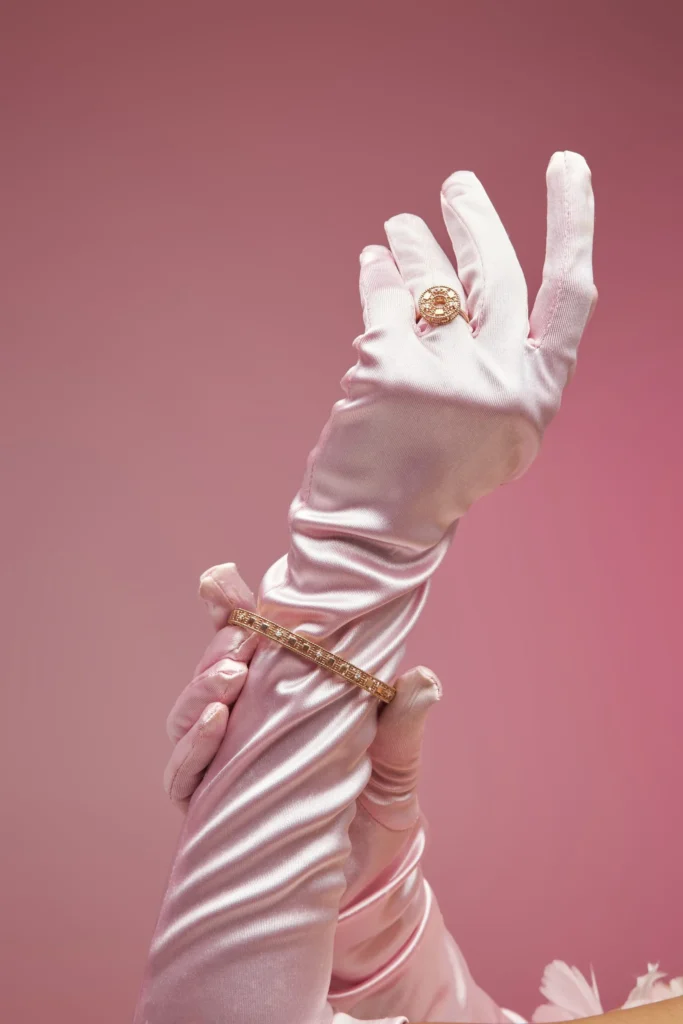
Beyond carat weight, understanding the characteristics that distinguish exceptional natural diamonds. In the world of fine jewelry, size often attracts attention. But when it comes to natural fancy-colored diamonds, carat weight tells only a fraction of the story. A smaller diamond displaying an exceptionally rare color can be more valuable than a significantly larger stone […]
Does Your Luxury Watch Really Need Servicing?
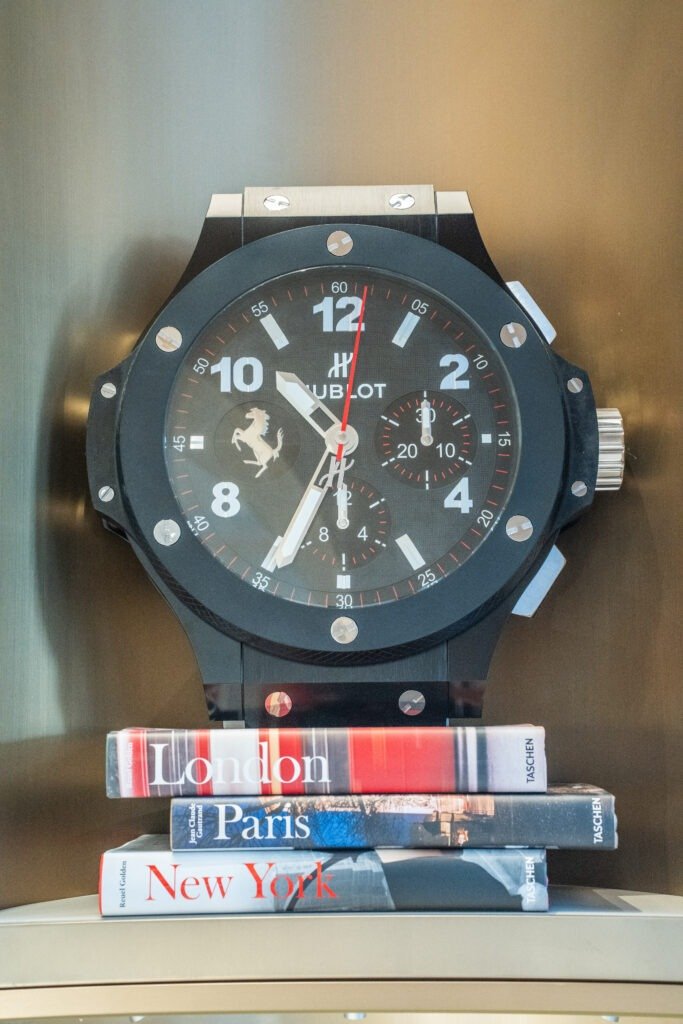
Understanding what happens inside a mechanical watch, and why proper maintenance matters. A mechanical watch is a remarkable piece of engineering. Inside its case, an intricate system of wheels, springs, jewels, and precisely engineered components works together to measure the passage of time. Unlike a quartz watch, a traditional mechanical movement relies on stored mechanical energy rather than a battery. But even the finest movement requires maintenance. What Happens During a Watch Service? Over time, lubricants within a movement can deteriorate, and mechanical components may experience wear. A complete overhaul typically involves carefully disassembling the movement, inspecting components, cleaning, lubricating, reassembling, and regulating the mechanism. Depending on the watch and the work required, technicians may also inspect its seals and test water resistance. The objective is not merely to get a stopped watch running again. It is to maintain the movement’s performance and reliability. How Often Should You Service a Watch? There is no universal interval that applies to every mechanical timepiece. For example, Rolex recommends servicing its watches approximately every ten years, depending on the model and how the watch is used. Other manufacturers and individual movements may have different requirements. Changes in accuracy, reduced power reserve, moisture inside the crystal, or difficulties with winding can indicate the need for professional inspection. Why Water Resistance Deserves Attention A watch’s original water-resistance rating does not guarantee that it remains equally protected throughout its lifetime. Seals age, crowns can become damaged, and cases may lose their original sealing performance. Periodic testing is particularly important for watches regularly exposed to water. For vintage watches, water exposure should be approached especially cautiously, even when the model was originally designed for diving. The Value of Proper Care Collectors should also consider the implications of cosmetic restoration. Polishing, refinishing, and replacing original components may affect the historical character and desirability of certain vintage watches. A thoughtful service should account for both mechanical performance and preservation. At The Rodeo Vault, our in-house watchmaking services allow clients to discuss the condition and maintenance of their timepieces directly with our team. After all, a fine mechanical watch is built to measure time. Proper care helps it continue doing so for years to come. Research: https://www.rolex.com/en-us/watch-care-and-service/faq https://www.rolex.com/en-us/watch-care-and-service/the-rolex-servicing-procedure
The Audemars Piguet Royal Oak: The Watch That Reimagined Luxury
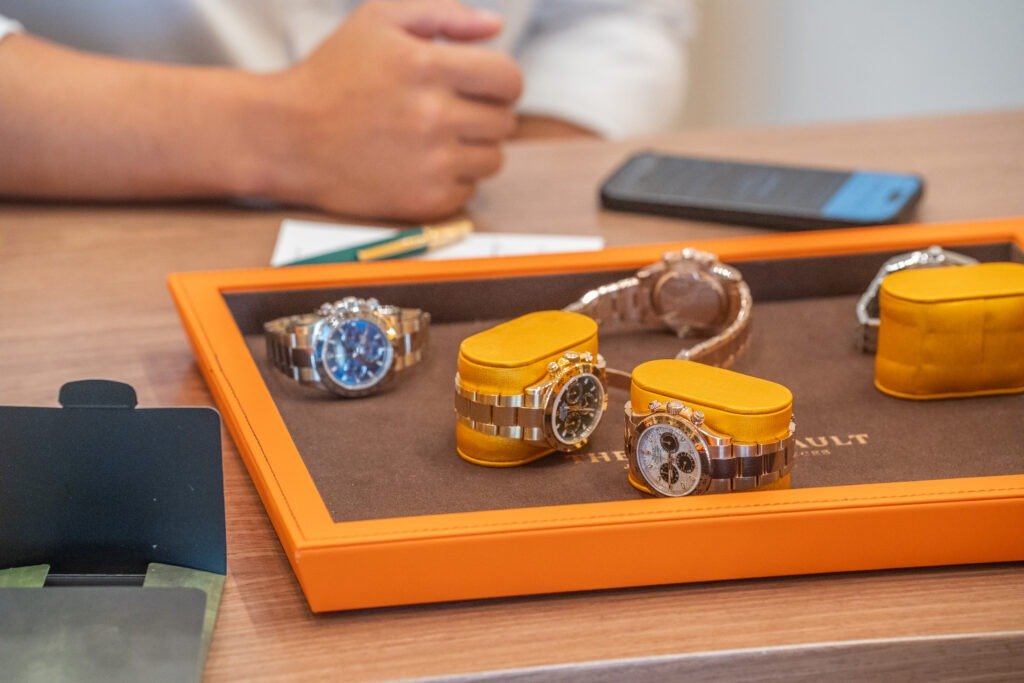
How a stainless steel sports watch became one of the most influential designs in modern horology. In 1972, Audemars Piguet introduced a watch that challenged nearly every established convention of traditional luxury watchmaking. Its name was the Royal Oak. Designed by the legendary Gérald Genta, the Royal Oak arrived at a time when precious metals, delicate proportions, and traditional case designs dominated high-end Swiss watchmaking. The Royal Oak was different. Its case was crafted from stainless steel. Its bezel was octagonal. Eight exposed hexagonal screws became an unmistakable design signature. And rather than concealing its industrial influences, the Royal Oak embraced them. An Unconventional Beginning The original Royal Oak, reference 5402ST, measured 39mm in diameter, an imposing size by the standards of its era. It also featured an integrated bracelet, patterned dial, and exceptionally slim automatic movement. Perhaps most surprising was its positioning. Audemars Piguet offered this steel watch at a price comparable to luxury watches made from gold. The message was revolutionary: exceptional craftsmanship and design could make stainless steel every bit as prestigious as precious metal. The Genius of Gérald Genta The Royal Oak’s enduring appeal lies in the relationship between its components. The sharply defined bezel, alternating polished and brushed finishes, integrated bracelet, and textured dial contribute to a design that remains recognizable from across a room. More than five decades later, the fundamental visual language of the Royal Oak continues to influence watch design. An Enduring Collector’s Icon The Royal Oak has evolved into an extensive family, incorporating different sizes, materials, complications, and dial configurations. Yet the original concept remains remarkably intact. For collectors, the Royal Oak is more than a luxury sports watch. It represents a turning point in the history of modern horology, when design itself became one of the defining expressions of luxury. Research: https://apchronicles.audemarspiguet.com/en/article/birth-of-an-icon/ https://www.audemarspiguet.com/us/en/about/savoir-faire/forward-thinking-spirit
1926: The Rolex Oyster and the Watch That Changed Everything

How a revolutionary case helped transform the wristwatch into an instrument for everyday life. Today, wearing a wristwatch in the rain or washing your hands without removing it seems entirely ordinary. A century ago, protecting a delicate mechanical movement from moisture was a considerably greater challenge. In 1926, Rolex introduced the Oyster, a landmark in the development of the waterproof wristwatch. Its hermetically sealed case was designed to protect the movement against water and dust, helping address one of the major vulnerabilities of early wristwatches. But creating a watch with a groundbreaking feature was only the beginning. Rolex needed to demonstrate that it worked. A Swim That Made History In 1927, British swimmer Mercedes Gleitze crossed the English Channel wearing a Rolex Oyster. After more than ten hours in the water, the watch remained in working condition. Rolex publicized the achievement, establishing a powerful connection between the brand and real-world performance. The success of the Oyster became an important chapter in the evolution of the modern wristwatch. The Next Revolution: Self-Winding In 1931, Rolex patented its Perpetual rotor self-winding mechanism. By using the motion of the wearer’s wrist to wind the mainspring, this system offered an additional level of convenience. Combined with the Oyster case, it helped establish the foundation for the Oyster Perpetual family. Why Collectors Still Care The importance of early Oyster watches extends well beyond their age. They represent an era when watchmaking innovation was closely connected to practical challenges: water resistance, reliability, and daily wear. Today, the Rolex Oyster remains one of the most recognizable names in mechanical watchmaking. Its enduring appeal is a reminder that truly influential design doesn’t simply respond to its time. It helps define what comes next. Research: https://www.rolex.com/about-rolex/history/1926-1945 https://newsroom.rolex.com/watches/oyster-story/oyster-story
Beyond White: The Extraordinary World of Natural Colored Diamonds
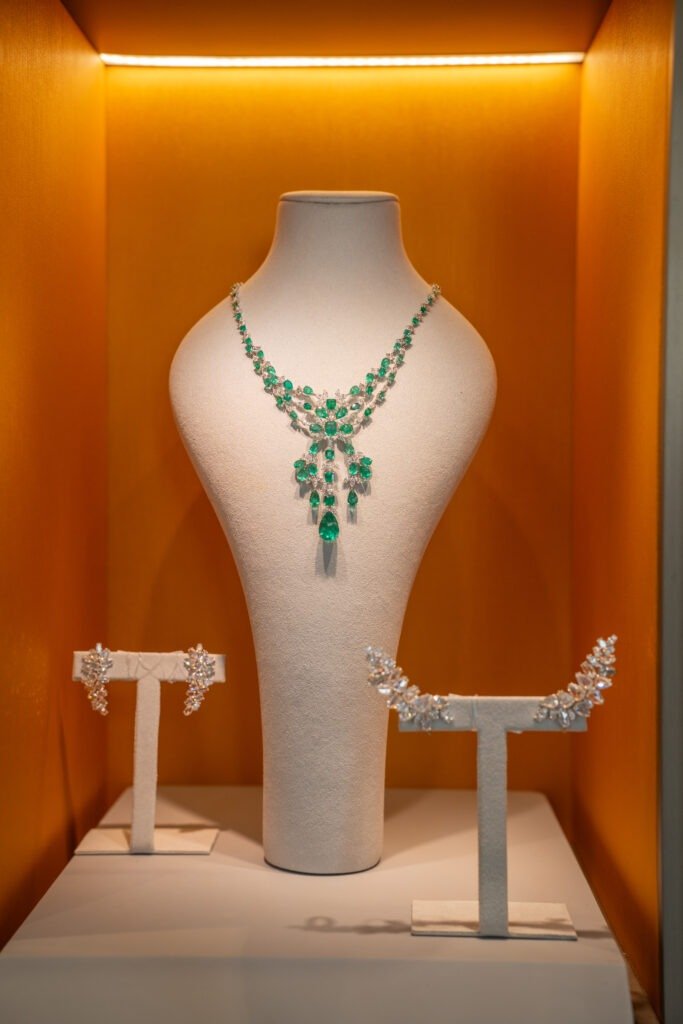
Why nature’s rarest colors have captivated collectors for generations. When most people imagine a diamond, they picture a brilliant, colorless stone.